

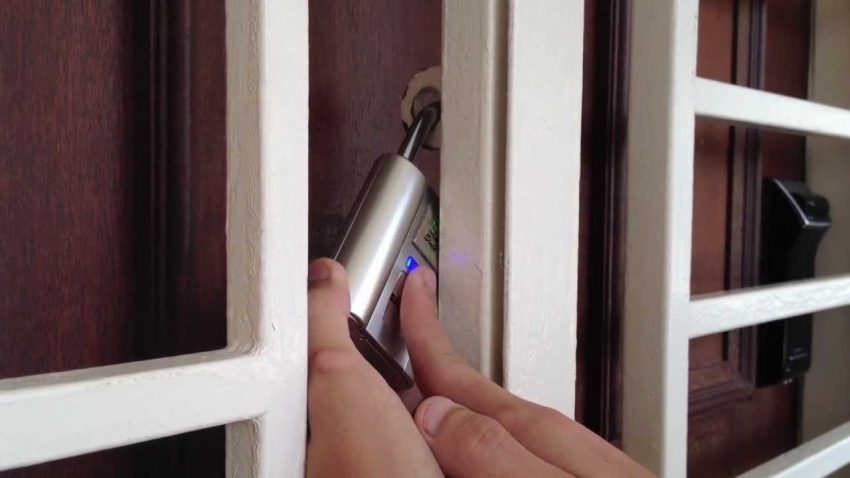
As technology evolves, so too do the ways in which we can protect our belongings. One such advancement is the electronic lock, a security device that offers an extra layer of protection for your home or office. Unlike traditional locks, which require a key to be inserted and turned, electronic locks are activated by a code or swipe card. This makes them ideal for use in high-traffic areas like schools and hospitals, where traditional keys could easily be misplaced or stolen. Electronic lock Singapore are also great for renters, as they can be installed without damaging the door or hinges.
Types of Electronic Locks
Electronic locks offer a number of advantages over traditional locks, including increased security, convenience, and flexibility. There are a variety of different types of electronic locks available on the market, so it’s important to choose one that meets your specific needs. Some common types include
- Keypad locks
- Fingerprint scanners
- Bluetooth-enabled locks
How does Electronic Locks work?
Most of the locks that you see in people’s homes are mechanical. That is, the locking mechanism is a set of gears and pins that connect when the correct sequence is entered on the keypad. There are also electronic lock singapore, which use an electronic signal to unlock the door
- The first step in unlocking an electronic lock is to identify it. This can be done with either a keycard or a PIN code.
- Once authentication has been completed, an electric current is sent through solenoids located inside the lock cylinder.
- These solenoids convert the electric current into rotational force, which turns the lock cylinder and unlocks the door.
With these smart door locks installed on the exterior of your front door or entryway, not only will it make entering through that doorway impossible without permission (or a key), but also allow for remote access by authorized users like family members and roommates who live elsewhere.





 There is additionally the feared septic framework and siphoning field issues. This class of plumbing issues is certainly both a crisis and going to require modern strength plumbing apparatuses. Contingent upon where the home is found, it might likewise require a Hazardous materials certificate or authorized proficient to eliminate the sewage and waste. While this undoubtedly CAN fit the bill for crisis plumbing, it very well might be conceivable, contingent upon the extent of the issue, to delay until ordinary contracted hours. For a routine flawed spigot, running latrine, and an assortment of diseases, good sense would suggest that the homeowner should delay until ordinary business hours and endeavor to get the handyman at a typical rate. This can save hundreds, if not thousands, of dollars in but rather a progression of visits. In any case, since it is during generally expected business hours does not imply that the handyman is not charging for a crisis visit. This is the place where it takes reasonable and cautious conversation BEFORE work starts, by which the handyman obviously diagrams the aggregate of the work the person means to do, the expense of materials and work, and the order for the plumbing – routine fix, broad fix, concentrated fix, development, or potentially crisis plumbing.